

The word “oss” can appear in a fighter’s greeting, a developer’s project list and a history documentary within a single week. That’s why oss meaning searches return such mixed answers. The trick is to work out which community you’re hearing it from.
The dojo version
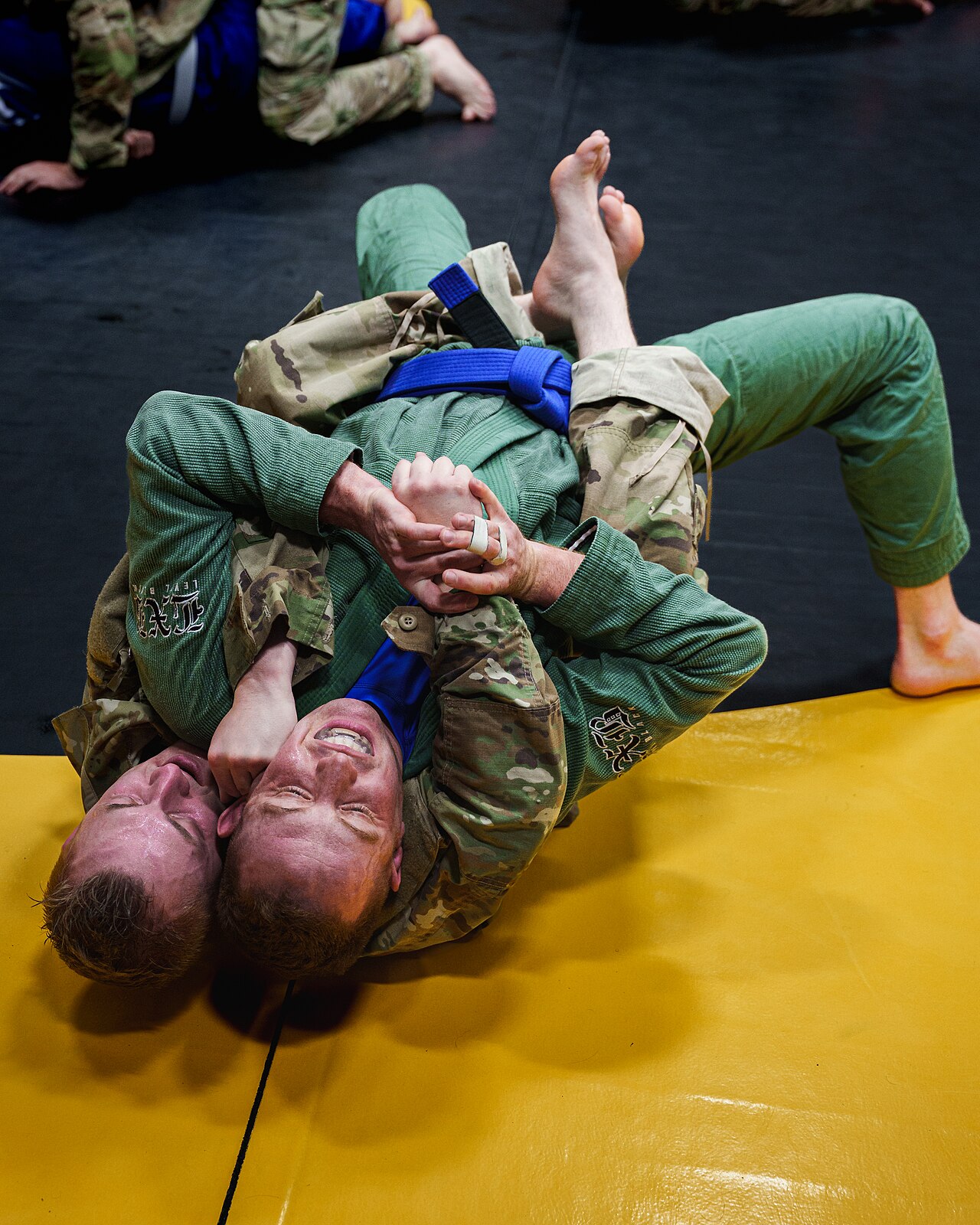
In karate, jiu-jitsu, judo and some other martial arts, “oss” (also spelt “osu”) is a multipurpose word. Students say it when they bow in, when they greet each other, when they acknowledge an instruction and when they push through a tough drill. It means roughly “I understand,” “I’m ready” and “I respect you,” all in one.
Some people trace it to a Japanese expression about enduring difficulties, though origins are argued over. What’s clear is how it feels on the mat: a short, firm syllable, often spoken together by the whole class.
The text message version
Martial artists carry the habit into chats. A coach posts “no class Monday,” and members reply “oss.” It works like “got it” with a bit of discipline attached. People who don’t train sometimes borrow it for fun, which can be confusing if the context is missing.
The software version
OSS also stands for open source software, programs whose code is shared freely so anyone can inspect or improve it. Browsers, operating systems and countless libraries fall under this umbrella. A job advert that says “experience contributing to OSS” is asking about shared code, nothing to do with greetings.
The history version
In the Second World War, the OSS was the Office of Strategic Services, an American intelligence organisation. It later gave rise to the CIA. Books and films about spies use the acronym constantly.
How to tell them apart
Gym or fight talk: the greeting.
Tech conversation: open source software.
History or espionage: the wartime agency.
A short reply in a group chat, from a friend who trains: “yes, understood.”
Within a sentence or two, the right reading becomes obvious.
Etiquette in the dojo
If you’re new, don’t rush to say it loudly. Listen to how your own class uses it. Some clubs say it only when bowing; others say it after every instruction. Copying the pattern of the room is polite and avoids standing out for the wrong reasons.
Etiquette in a chat
Use it with people who understand it. Elsewhere, it may look like a typo. If a colleague writes “oss” in a work chat and you’re not sure what they mean, asking “is that a yes?” is perfectly fine.
A small anecdote
A friend of mine joined a judo club and started answering every family text with “oss.” His sister assumed he’d had a stroke. Now she replies “oss” too, and it’s become the family way of saying “I’m on it.” Slang tends to spread exactly like that, one household at a time.
Learning it properly
If you’d like to use oss in a dojo, ask your instructor how they prefer it. Some teachers explain its history in the first week, and the story helps you say it with the right spirit. Practise bowing at the same time, because the word and the gesture belong together. Respect for the room matters more than perfect pronunciation.
If you’d like extra context, ask a training partner. Martial artists love explaining the culture around their sport, and a five-minute chat teaches more than a dozen forum posts ever could.
Why the multiple meanings
Short sounds get reused. There are only so many three-letter combinations, so communities adopt them for their own needs without checking whether another group got there first. That’s why abbreviations can be so puzzling out of context.
If you come across another one, meaningsverse.com is a quick place to check. For oss, remember the question to ask: who’s speaking, and in what room?
