

Someone in your group chat writes “that burger was fg,” and an hour later a football fan types “FG is good, we’re up by three.” Same letters, nothing in common. If you’ve stopped to ask what does fg mean, the truth is that it has no single fixed definition. The topic of the chat tells you most of what you need.
Freaking good
In casual texting, “fg” can be used as “freaking good,” or a ruder version of the same phrase. It adds force to a compliment. “The new album is fg” means the writer loved it. You’ll see it after food, music, shows and the occasional outfit.
It isn’t as widely known as “lol” or “brb,” so a person who gets it out of the blue may be lost. Because of the stronger word that can hide behind the F, you’d better keep it away from teachers, clients and your grandmother.
Field goal
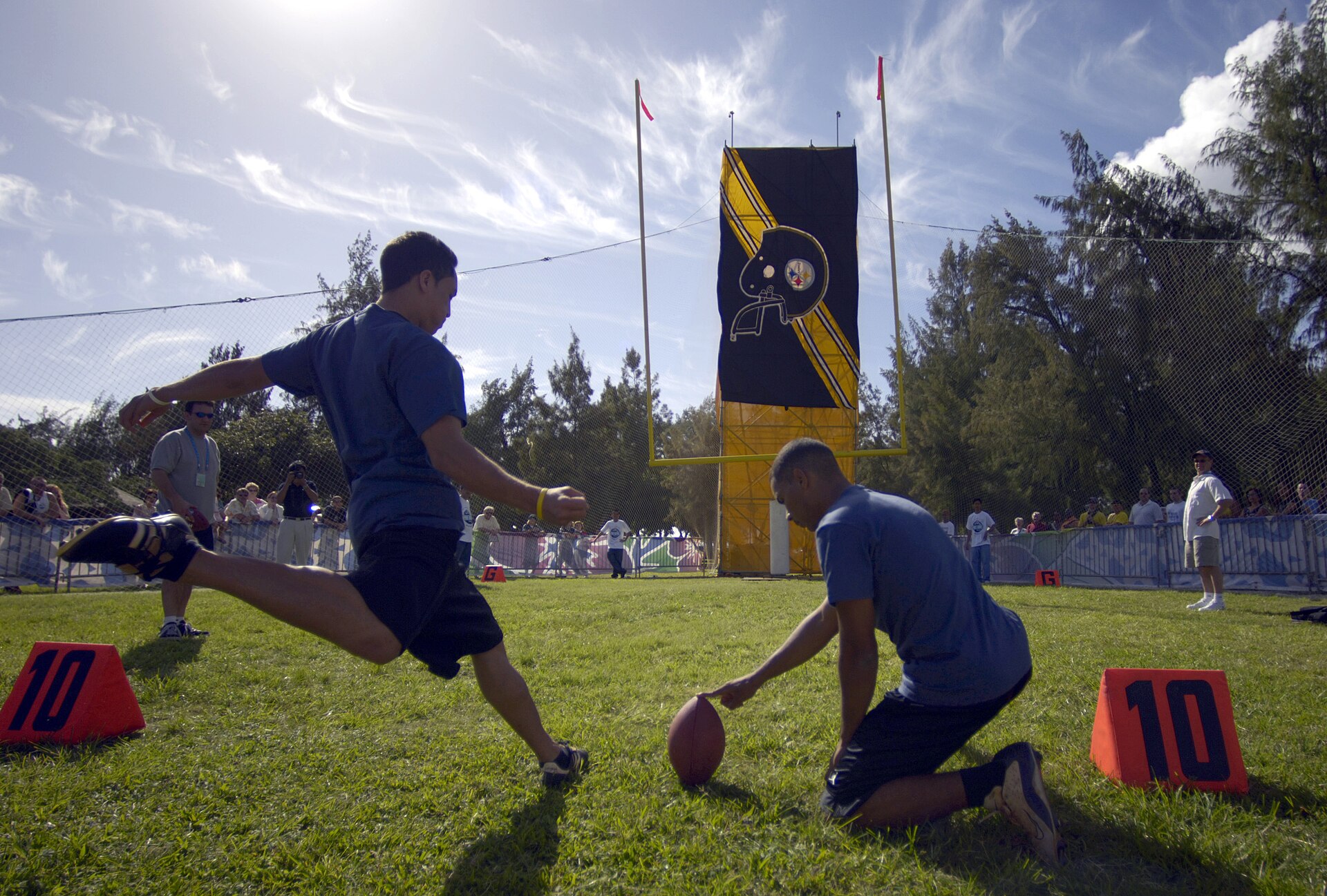
If sport is involved, think of a field goal first. In American football it’s a kick through the uprights, worth three points. A message like “missed FG, unbelievable” during a Sunday game couldn’t mean much else.
Basketball uses the same term for any shot made in open play, as opposed to a free throw. On a stats page, “FG 7-15” says the player made seven of fifteen attempts, and “FG%” is the success rate. Commentators rarely explain this, so new fans often end up searching for it.
Final girl
Horror fans have their own reading. The “final girl” is the last woman standing at the end of a slasher film, the one who faces the killer and lives to tell the story. Laurie Strode in Halloween is the classic case. In a chat about movies, “she’s such an FG” is praise for a survivor.
Finished goods
At work, FG often stands for finished goods. Factories and warehouses sort their stock into raw materials, work in progress and finished goods. So “FG count due Thursday” is an inventory note, and the sender isn’t telling you how good Thursday will be. On accounting sheets, you’ll also find it as FGI, for finished goods inventory.
How to pick the right one
Look at the word before it. “Was fg” or “so fg” points to the slang, because it’s describing something. “A FG” or “the FG” is a thing, so it’s probably a kick, a shot, or a product. Next, check who sent it. Your cousin at a concert and your supplier in another city aren’t likely to use the same shorthand.
Try it with these two lines. “Made 60 percent of his FGs last night” has a number and a player, so it’s basketball. “Bro these wings are fg” has food and the word bro. You don’t need a dictionary for either.
What if you’re still not sure?
Ask. “What’s FG?” takes two seconds to send and nobody minds. Guessing can be worse, particularly at work, where one misread abbreviation could put the wrong figure in a report. In a friendly chat, you can also reply to the general mood. If they sound excited, “Nice!” is safe whichever meaning they had in mind.
Parents sometimes worry when they spot an unfamiliar code on a child’s phone. This one is usually harmless. It’s a compliment or a score, with maybe a hidden swear word in it.
Should you use it?
With friends who already know it, go ahead. In a mixed group, write the phrase out or pick a plain word like “great.” An abbreviation that has to be explained hasn’t saved anyone any time.
There are hundreds of these two-letter forms, and new ones appear whenever a group gets tired of typing. When one stops you, a short explainer on compairro.com can list the usual choices, and the conversation will do the rest. With FG, start with the subject. Food or music means praise, a game means points, and a warehouse means boxes ready to ship.
